Have you bought a property in Portugal and, after moving in, found defects that you had not noticed during the viewings? These problems may be considered hidden defects in the property and could give rise to legal rights that you should be aware of.
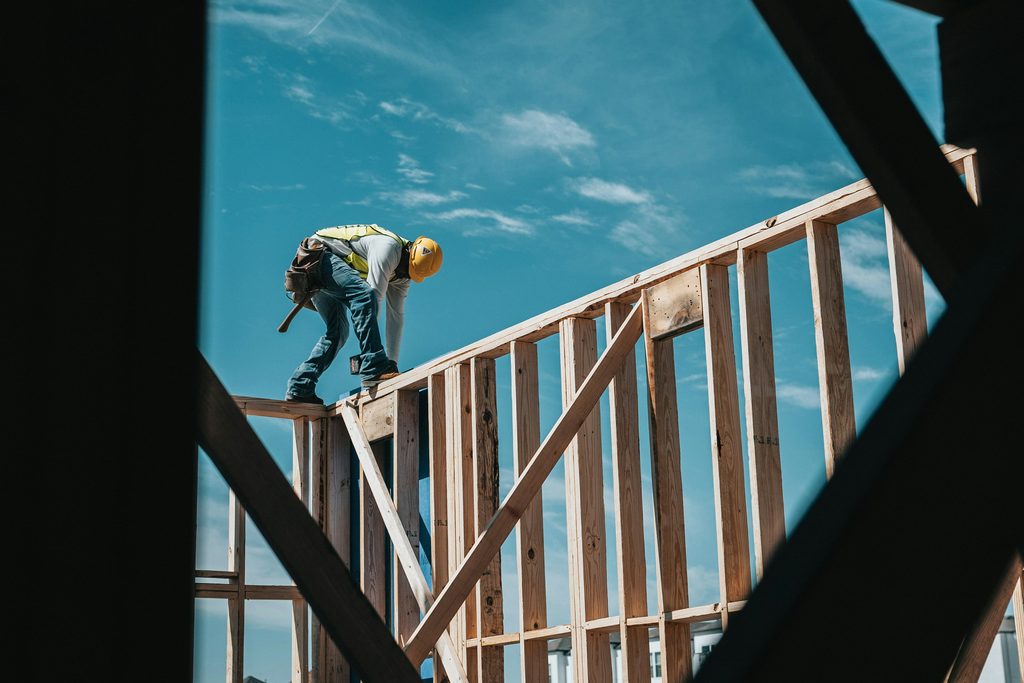
Photo by Josh Olalde – Unsplash
Buying a property in Portugal is a major decision, whether it is for your own home, a holiday home or an investment. It is essential to understand the condition of the property before going ahead with the purchase. However, not all problems are visible during an initial viewing. Some only come to light after the sale has been completed, raising questions about the buyer’s rights and the seller’s responsibilities.
Discovering defects after buying a property can be frustrating and may lead to unexpected costs. Anyone buying a property should be aware of their rights in case they come across problems that were not visible at the time of purchase. Fortunately, Portuguese law provides protection for buyers in these situations. In this article, we explain what is known as hidden defects in Portuguese property and what steps to take if you discover them.
What are hidden defects in Portuguese property?
Hidden defects in Portuguese property, also known as latent defects, are problems that already existed at the time of purchase but were unknown to the buyer because they were not visible or easily detectable during a normal viewing. They may only become apparent later, when the new owner starts using the property or carrying out renovation work.
Unlike visible damage, such as scratches on floors, broken tiles, surface cracks or broken windows, hidden defects are problems that would not have been easy to identify before the purchase. They may include concealed damp, water leaks inside walls, electrical faults, waterproofing problems or structural defects.
For a problem to be considered a hidden defect, it is not enough for it to be discovered only after the purchase. It must have already existed at the time of the sale and have significant consequences, such as reducing the property’s value, affecting its use or revealing the absence of a feature or quality guaranteed by the seller.
Each situation should be assessed individually. For example, a damp patch that is visible during a viewing may not be considered a hidden defect. However, if the underlying cause is concealed and cannot be identified during a normal inspection, the problem itself may be treated differently.
Examples of problems that may be considered hidden defects include:
- Water ingress and waterproofing problems, which may only become apparent after heavy rain.
- Pest infestations, such as termites, which may affect the structure or other wooden elements without showing any obvious signs during the viewing.
- Electrical faults, such as faulty connections, damaged wiring or problems with the electrical fuse box, which are not easily identified without a technical inspection.
- Plumbing problems, including water leaks concealed inside walls or beneath floors.
- Poor thermal or sound insulation, which may affect the comfort of the home and not be immediately noticeable during a viewing.
- Structural or construction defects, such as problems with the foundations, roof or building structure, the effects of which may only become apparent later.
Hidden defects can also affect the property’s outdoor areas. These may include waterproofing problems on terraces and balconies, water ingress through the façade, roof defects or drainage system failures, which may not be obvious during a viewing.
What should you do if you find hidden defects in your property?
If you discover defects in your property after buying a home in Portugal, it is important to act quickly and gather evidence of the problem. Although every situation needs to be assessed individually, there are a few steps you should follow:
- Document the defects: Take photos and videos of the problems as soon as you notice them. Keep any technical reports, quotes, and invoices for work carried out.
- Arrange a technical inspection: Contact a qualified professional to identify the cause of the problem, assess its severity and determine whether it existed before the purchase.
- Notify the seller: Inform the seller in writing, preferably by registered letter with acknowledgement of receipt or by email with a read receipt. Describe the defects and keep a copy of all correspondence.
- Consult a solicitor: Seek legal advice to understand whether the situation may qualify as the sale of defective goods and what rights you may be entitled to exercise, considering the applicable legal deadlines.
How long do you have to report hidden defects in a property?
The time limit for reporting defects in a property purchased in Portugal depends on who sold it to you: a private individual or a professional seller.
If you bought the property from a private individual, the Portuguese Civil Code applies. You have up to one year from the date you discover the defects to report them, provided that no more than five years have passed since the property was handed over. After reporting the defects, you generally have six months to take legal action.
If you bought from a professional seller, Decree-Law No. 84/2021 applies, provided the purchase falls within the scope of consumer protection law. The seller is liable for defects for five years in general and ten years for defects affecting structural building elements. After notifying the seller of the defects, you have three years to take legal action to enforce your rights.
Buying a property in Portugal: why local support matters
Buying a property is a major decision and, even with every precaution, there is always a chance of discovering problems after the purchase. Hidden defects in a property are not always easy to identify beforehand, but a thorough inspection can help reduce the risks.
Having the support of an experienced estate agent with a good knowledge of the local market can make a real difference. Their experience can help identify potential warning signs, answer questions about the property and advise buyers on the next steps, including whether an independent technical inspection is needed.
At Casas do Barlavento, we believe our work does not end when a property is bought or sold. We make a point of staying in touch with our clients beyond the completion of the sale because we know that buying a home is just the beginning of a new chapter. If you are thinking of buying a property in Lagos, Algarve, or elsewhere in the Western Algarve, our team is here to guide you throughout the process and beyond the purchase.